Yamaha MT-09 Accessories & Customization Guide – Performance, Comfort & Practical Upgrades
The Yamaha MT-09 is a machine built on a philosophy of raw excitement. It leaves the factory as a potent, torque-rich naked bike that punches well above its weight class. However, like any mass-produced motorcycle, it is built to a budget and designed to suit a wide range of riders. This means there is always room for improvement, personalization, and refinement.
Customizing a motorcycle is often seen as a rite of passage, but it can quickly become a money pit if approached without a plan. Many riders fall into the trap of buying shiny anodized parts before addressing fundamental areas that actually transform the riding experience.
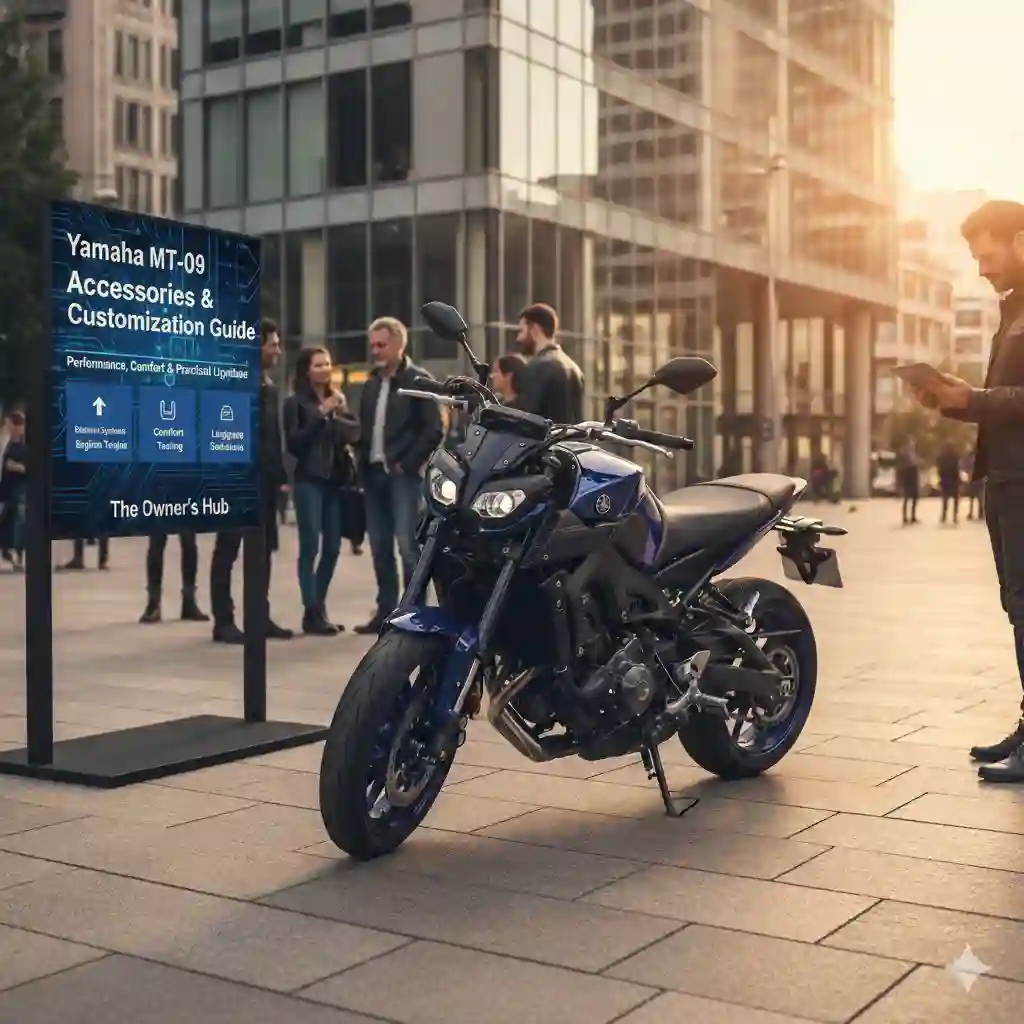
This guide is not a shopping list of the most expensive parts. Instead, it is a functional analysis of the Yamaha MT-09 platform. We will explore which upgrades offer tangible benefits, which are purely aesthetic, and how to prioritize modifications based on how you actually ride. Whether you use your MT-09 for daily commuting, weekend canyon carving, or occasional track days, this guide will help you build a machine that is uniquely yours and objectively better than stock.
Quick Overview – Should You Modify the MT-09?
Before you start unbolting parts, it is crucial to understand the starting point. The modern Yamaha MT-09 is not a “fixer-upper.” Out of the crate, it features a brilliant CP3 engine, a sophisticated electronics package with a six-axis IMU, and a chassis that is miles ahead of its predecessors.
For many riders, the stock bike is more than capable. The brakes are strong, the fueling is smoother than ever (though still aggressive), and the ergonomics are comfortable for a naked sportbike.
However, there are specific areas where mass-production compromises are evident:
- Suspension: Stock units are often sprung and damped for a hypothetical “average” rider, leaving lighter or heavier riders with suboptimal handling.
- Wind Protection: As a naked bike, it offers zero protection from the elements, which can be fatiguing on longer rides.
- Throttle Feel: The ride-by-wire system is reactive, but some riders prefer a smoother, more tactile connection.
- Comfort: The seat and bar position are aggressive, which might not suit all body types for all-day riding.
The goal of modification should be to address these specific friction points. A well-modified MT-09 enhances the bike’s natural strengths—its torque and agility—while mitigating its weaknesses.
Understanding the Base Platform
To modify effectively, you must respect the engineering baseline. The Yamaha MT-09 is defined by its 889cc inline-three engine. This powerplant produces immense torque low in the rev range, which puts significant stress on the rear suspension and tires.
The chassis is lightweight and agile, designed for quick direction changes. This agility can sometimes feel like instability if the suspension isn’t set up correctly or if the rider inputs are too abrupt. The electronics suite is highly advanced, managing traction, slides, and wheelies.
When you modify this platform, you are altering a complex system.
- Changing the exhaust alters backpressure and fueling requirements.
- Changing the suspension geometry alters the bike’s turn-in characteristics and stability.
- Changing the handlebars alters your weight distribution over the front wheel.
Every change has a knock-on effect. The modifications discussed below are categorized by their functional impact, helping you prioritize substance over style.
Suspension Upgrades – The Biggest Performance Improvement
If there is one area where the MT-09 benefits most from investment, it is the suspension. While the latest generations feature fully adjustable suspension, the components are still mass-produced items built to a price point.
The Limits of Stock Suspension
The stock suspension is adequate for smooth roads and moderate paces. However, when pushed hard in corners or ridden over rough pavement, the limitations become apparent.
- The Rear Shock: This is often the weak link. Under hard acceleration—something the MT-09 loves to do—the rear can squat excessively. This takes weight off the front tire, causing the steering to go vague or the bars to wiggle. Conversely, over sharp bumps, the damping may not react fast enough, transmitting a harsh jolt to the rider’s spine.
- The Front Forks: While improved over early models, the stock forks can dive significantly under hard braking. This weight transfer unsettles the chassis right at the entry of a corner, reducing confidence.
The Upgrade Path
1. Proper Setup (Free): Before spending a dime, spend time setting the sag (preload) for your specific weight. Adjust the rebound and compression damping to find a baseline. Many riders complain about suspension they have never actually adjusted.
2. Spring Swap: If you are significantly lighter or heavier than the target weight (usually around 170-180 lbs), the stock springs will never work correctly. swapping springs is a cost-effective way to get the bike sitting right in its stroke.
3. Rear Shock Upgrade: An aftermarket rear shock is transformative. High-quality units offer separate high-speed and low-speed compression damping, better thermal stability (fade resistance), and a spring rate matched to your weight. The result is a bike that squats less under power and tracks truer over bumps.
4. Fork Cartridges: For the front, drop-in cartridge kits replace the internal valving of the forks. This provides much more precise control over oil flow, resulting in better support under braking and a smoother feeling over imperfections.
Verdict: Suspension is not sexy. It doesn’t make noise and it’s hard to see. But it is the single most impactful upgrade for riding fast and safely.
Exhaust Systems – Sound vs Performance
For many, the first modification is an exhaust system. The CP3 engine has a unique, howling soundtrack that is heavily muffled by the massive stock catalytic converter and muffler box.
Slip-On vs Full System
On the MT-09, the stock exhaust is a one-piece welded unit. This means you generally cannot just install a “slip-on” muffler without cutting the stock pipes. Most owners opt for a full system, which replaces the headers, collector, and muffler.
The Performance Reality
- Weight Savings: A full aftermarket system can save significant weight—often 5 to 10 pounds—by removing the heavy catalytic converter box. This weight loss is felt in the bike’s handling.
- Power Gains: Without ECU tuning, a full exhaust often yields minimal peak power gains and can sometimes create a “flat spot” in the midrange torque curve due to changes in backpressure.
- Sound: This is the primary driver. An aftermarket exhaust unlocks the raw, guttural wail of the triple engine. It adds to the visceral experience of the ride.
Legal and Social Considerations
It is important to note that removing the catalytic converter is illegal in many jurisdictions for road use. It also significantly increases noise levels. Many premium manufacturers offer “street legal” systems with catalytic converters installed, offering a compromise between better sound/looks and legal compliance.
ECU Tuning & Throttle Refinement
The modern MT-09 is a computer on wheels. The Electronic Control Unit (ECU) dictates everything from fuel injection timing to butterfly valve opening.
Why Tune the ECU?
Factory ECU maps are compromises. They must meet strict emissions regulations (Euro 5/6) and noise standards. This often results in lean fueling at low RPMs and throttle maps that can feel “snatchy” or abrupt as the fuel cuts in and out.
- Smoothing the Throttle: An ECU flash can smooth out the transition from closed to open throttle. This reduces the jerkiness often associated with the MT-09’s “A” mode, making the bike easier to ride smoothly mid-corner.
- Optimizing Fueling: If you install a full exhaust system with a high-flow air filter, the engine will flow more air. Without adding more fuel to match, the engine runs lean, which can run hotter and potentially cause damage over time. A tune corrects the air-fuel ratio.
- Fan Temperatures: tuners can lower the temperature at which the cooling fan kicks in, keeping the engine cooler in stop-and-go traffic.
Risks and Warranty
Flashing the ECU generally voids the powertrain warranty. It is a modification that alters the fundamental operation of the engine. Riders concerned about warranty preservation might opt for “piggyback” fuel controllers, though these are less comprehensive than a full ECU flash.
Verdict: If you change the exhaust, you should tune the bike. Even on a stock bike, a tune can dramatically improve throttle feel and low-speed rideability.
Windscreens & Wind Protection
The “naked” in naked bike means you are the aerodynamic brick. At highway speeds (70mph+), the wind blast on your chest and helmet can be exhausting.
The Trade-off
Adding a windscreen to an MT-09 is a battle between comfort and aesthetics. A large touring screen ruins the aggressive “streetfighter” look but offers genuine relief. A small “flyscreen” looks sharp but does little more than keep bugs off the instrument cluster.
Functional Options
- Sport Screens: These are small cowls that smooth the airflow around the instrument cluster. They reduce turbulence slightly but leave your helmet and shoulders in the wind.
- Touring Screens: Taller and wider, these push the air over your shoulders or helmet. They are essential for riders who do long highway commutes or touring.
- Deflectors: Some screens come with adjustable spoilers to fine-tune the airflow.
Verdict: If you stay under 60mph or only ride in the city, you don’t need one. If you commute on the freeway, a windscreen is a functional necessity to reduce fatigue.
Ergonomic Upgrades
Every rider is built differently. The stock MT-09 assumes a rider of average height and inseam. Customizing the contact points—seat, bars, pegs—ensures the bike fits you, not the other way around.
Seats
The stock seat is often criticized for being hard and sloping forward, pushing the rider into the tank.
- Comfort Seats: Aftermarket seats often use higher density foam or gel inserts. They are often flatter, allowing the rider to move around without sliding into the tank.
- Seat Covers: High-grip seat covers prevent sliding under hard acceleration, reducing the strain on your arms.
Handlebars and Levers
- Adjustable Levers: These are a cheap and highly effective mod. They allow you to set the distance of the brake and clutch levers to your hand size, improving control and reducing hand strain.
- Bar Risers: These move the handlebars up and back (or down and forward). Small adjustments here can dramatically change your back angle and weight distribution.
Rearsets (Footpegs)
Adjustable rearsets allow you to move the footpegs up, down, forward, or back.
- For Sport: Moving pegs up and back increases ground clearance for deep leaning and puts the rider in a more aggressive posture.
- For Comfort: Some kits allow lowering the pegs slightly to open up the knee angle for long-legged riders.
Crash Protection & Practical Accessories
Gravity is undefeated. Dropping a bike is a matter of “when,” not “if,” especially during low-speed maneuvers. Protective accessories are cheaper than replacing fairings and engine cases.
Essential Protection
- Frame Sliders: These protrude from the side of the bike and are designed to touch the ground first in a slide, keeping the frame and engine off the pavement.
- Case Covers: These bolt over the engine casing (clutch and stator covers). If the bike slides, these sacrificial covers grind away instead of the engine metal, preventing oil spills and catastrophic engine damage.
- Axle Sliders: These protect the expensive fork bottoms and swingarm nut during a slide.
- Radiator Guard: The MT-09 radiator is exposed to rocks and debris thrown up by the front wheel. A puncture here ends your ride immediately. A mesh guard is cheap insurance.
Warning: Avoid sliders that are too long or rigid. In a high-speed crash, a long slider can “catch” on a crack in the road and flip the bike, causing more damage than it prevents. Short, rounded sliders are safer.
Lighting & Visibility Mods
The stock LED lighting on modern MT-09s is quite good, but visibility is about being seen as much as seeing.
Integrated Tail Lights
A popular aesthetic mod is an integrated tail light, which combines the brake light and turn signals into one unit. This cleans up the rear end significantly. However, ensure the unit is bright enough to be seen in direct sunlight.
Auxiliary Lights
For riders who commute at night or on unlit backroads, auxiliary LED driving lights are a game-changer. They mount to the forks or crash bars and flood the road with light, illuminating hazards that the stock headlight might miss.
Cosmetic Customization
Once the bike works well, there is no harm in making it look good. The MT-09 has a massive aftermarket for aesthetic parts.
- Tail Tidy (Fender Eliminator): This removes the long plastic license plate bracket that hangs off the rear. It is almost universally the first mod owners do. It tightens the lines of the bike instantly.
- Tank Pads: These protect the paint on the tank from zippers and belt buckles. They also provide extra grip for your knees, which helps take weight off your wrists during braking.
- Bar End Mirrors: Stock “antler” mirrors can vibrate and offer a view of your elbows. Bar-end mirrors offer a wider field of view and a sleeker look, though they increase the width of the bike (bad for lane splitting).
Tire Upgrades – The Most Overlooked Performance Mod
Tires are the only thing connecting your motorcycle to the planet. The stock tires on the MT-09 are usually decent sport-touring rubber, but they are a compromise between cost, longevity, and dry/wet grip.
Why Upgrade?
The immense torque of the MT-09 shreds rear tires. A specialized tire can transform the handling.
- Sport/Hypersport Tires: (e.g., dedicated sticky rubber). These offer incredible grip and faster turn-in. They warm up quickly and stick like glue in corners. The trade-off is longevity; you might only get 2,000-3,000 miles out of a rear.
- Sport-Touring Tires: Modern sport-touring tires are incredible. They offer 90% of the grip of a sport tire but last twice as long and perform significantly better in the rain and cold. For most street riders, this is the smart choice.
Verdict: Before you spend $1,000 on an exhaust for 2 horsepower, spend $400 on premium tires. The difference in confidence and safety is massive.
Touring & Luggage Options
The MT-09 is not a touring bike, but with the right accessories, it can be a capable weekend traveler.
Luggage Solutions
- Tank Bags: Great for wallets, phones, and water. Many use a “lock ring” system that floats the bag off the tank paint to prevent scratches.
- Tail Bags: These strap to the passenger seat. They are aerodynamic and secure but prevent carrying a passenger.
- Soft Panniers: Saddlebags that hang over the rear seat. They offer significant storage but can look bulky. Support brackets are recommended to keep them from swinging into the rear wheel.
- Hard Cases: Some manufacturers make brackets for hard plastic cases. These are secure and waterproof but expensive and visually dominant.
What NOT to Modify First
In the excitement of ownership, it is easy to make mistakes. Here is a list of modifications to avoid or delay until you have more seat time.
- Massive Power Upgrades: The MT-09 is already fast. Chasing peak horsepower numbers with airbox mods and aggressive tunes often ruins the rideability of the bike for street use. You rarely use peak power; you always use throttle response.
- Cosmetics Over Protection: Do not buy carbon fiber trim pieces before you buy frame sliders and a radiator guard. If you drop the bike in the driveway (it happens), the carbon fiber won’t save your engine case.
- Cheap “eBay” Levers: Your brakes are your lifeline. Cheap, unbranded aluminum levers can flex, snap, or even bind the master cylinder, causing the brakes to lock up while riding. Buy reputable brands for control components.
- Lowering Links: Unless you absolutely cannot touch the ground, avoid lowering links. They alter the suspension geometry, often making the bike handle sluggishly or reducing ground clearance to dangerous levels in corners. Shaving the seat foam is a better way to get lower.
Mod Path Based on Rider Type
To help you prioritize, here are suggested upgrade paths based on how you use the bike.
The Daily Commuter
- Goal: Reliability, visibility, and comfort.
- Priority 1: Crash protection (sliders, case covers).
- Priority 2: Windscreen (touring or sport screen).
- Priority 3: Heated grips (for cold mornings).
- Priority 4: Top case or tail bag for work gear.
The Weekend Canyon Rider
- Goal: Handling, grip, and sensation.
- Priority 1: Premium tires (Sport or Hypersport).
- Priority 2: Suspension setup (springs/fluid) or rear shock upgrade.
- Priority 3: Tank grips (for knee support).
- Priority 4: Slip-on or full exhaust (for the sound).
The Track-Day Enthusiast
- Goal: Precision and safety at speed.
- Priority 1: Full suspension upgrade (cartridges and shock).
- Priority 2: Rearsets (for ground clearance).
- Priority 3: Brake pad upgrade (sintered race pads).
- Priority 4: ECU flash (for smooth throttle control at lean).
The Long-Distance Rider
- Goal: Reducing fatigue.
- Priority 1: Comfort seat.
- Priority 2: Large touring windscreen.
- Priority 3: Cruise control (if not equipped standard).
- Priority 4: Luggage system.
Comparison Note – How It Compares to Rival Platforms
When modifying the MT-09, it helps to know how it stacks up against its rivals in terms of “mod-ability.”
- Yamaha MT-09 vs. Kawasaki Z900: The Z900 engine is smoother and often easier to tune for massive peak horsepower gains because it is a detuned liter-bike engine. However, the Z900 is heavier. Modifying the MT-09 usually yields a more agile, “flickable” result due to its lighter starting weight.
- Yamaha MT-09 vs. Triumph Street Triple 765: The Triumph (especially the RS model) comes with high-end Brembo brakes and Öhlins suspension from the factory. It needs far fewer mods to be “track ready.” The MT-09 is more of a blank canvas; you save money on the purchase price but might spend that difference upgrading suspension to match the Triumph’s stock handling.
Frequently Asked Questions
1. Is an aftermarket exhaust worth it on the MT-09?
If you are chasing sound, absolutely. The CP3 engine sounds incredible uncorked. If you are chasing power, the gains are modest per dollar spent compared to suspension or tires.
2. Does the MT-09 really need a suspension upgrade?
“Need” is subjective. If you ride aggressively or are outside the 160-190lb weight range, the stock suspension will be the limiting factor of the bike. An upgrade will make the bike feel safer and more controlled.
3. Is an ECU flash safe?
Generally, yes, if done by a reputable tuner. It optimizes the engine’s operation. However, aggressive tunes that remove safety limits or push timing too far can reduce engine life. Always use a trusted source.
4. Are frame sliders necessary?
They are highly recommended. A zero-mph tip-over in a parking lot can crack an engine case or smash a radiator. Sliders can turn a $1,000 repair into a $50 scratch.
5. What is the best first mod?
For most riders, it is a tie between tank grips (cheap, improves control immediately) and a Tail Tidy (purely for looks, but very satisfying).
6. Do mods affect resale value?
Yes, often negatively. Buyers are suspicious of heavily modified bikes (was it raced? was it installed correctly?). It is often smarter to keep your stock parts and reinstall them when you sell, selling the aftermarket parts separately.
7. Can I install a quickshifter if my model didn’t come with one?
Yes. There are excellent aftermarket quickshifters (like those from Translogic or Annitori) that plug into the ignition coils. They work very well, sometimes even better than OEM.
8. Will a windscreen stop all the wind?
No. It is a naked bike. A windscreen moves the pressure off your chest, but you will still have wind noise and airflow around your helmet.
9. Why should I upgrade brake lines?
Stock rubber brake lines can expand under hard braking pressure, leading to a “spongy” feel at the lever. Steel-braided lines do not expand, providing a firmer, more direct feel.
10. Are bar-end mirrors better than stock?
They usually vibrate less and offer a better view of the road behind you (instead of your shoulders), but they make the bike wider, which can be annoying in tight spaces.
Final Advice – Upgrade with Purpose
The world of Yamaha MT-09 accessories is vast, filled with shiny objects promising to make you faster, cooler, and louder. It is easy to get lost in the catalog.
The best advice for any owner is to ride the bike in its stock form first. Put 1,000 miles on the odometer. Learn what the bike actually does. Does the seat hurt after an hour? Buy a seat. Does the rear end wallow in corners? Buy a shock. Does the wind blast tire you out? Buy a screen.
The Yamaha MT-09 does not require heavy modification to be enjoyable. It is a thrill ride straight out of the box. The smartest upgrades are the ones that solve a problem you have personally experienced. They improve control, comfort, and protection—not just noise or appearance.
Modify with purpose, not impulse. Build the bike that fits your ride, and enjoy the unique character of one of the best engines on the market.


